
Stamped Parts That Fit the Assembly
A mounting bracket needs its holes in the right place and its flanges at the right angle. A cover needs clearance around the parts it protects. A lever needs its pivot and working profile to line up with the mechanism. These are the details that make a stamping useful, and they should guide the quotation from the start.
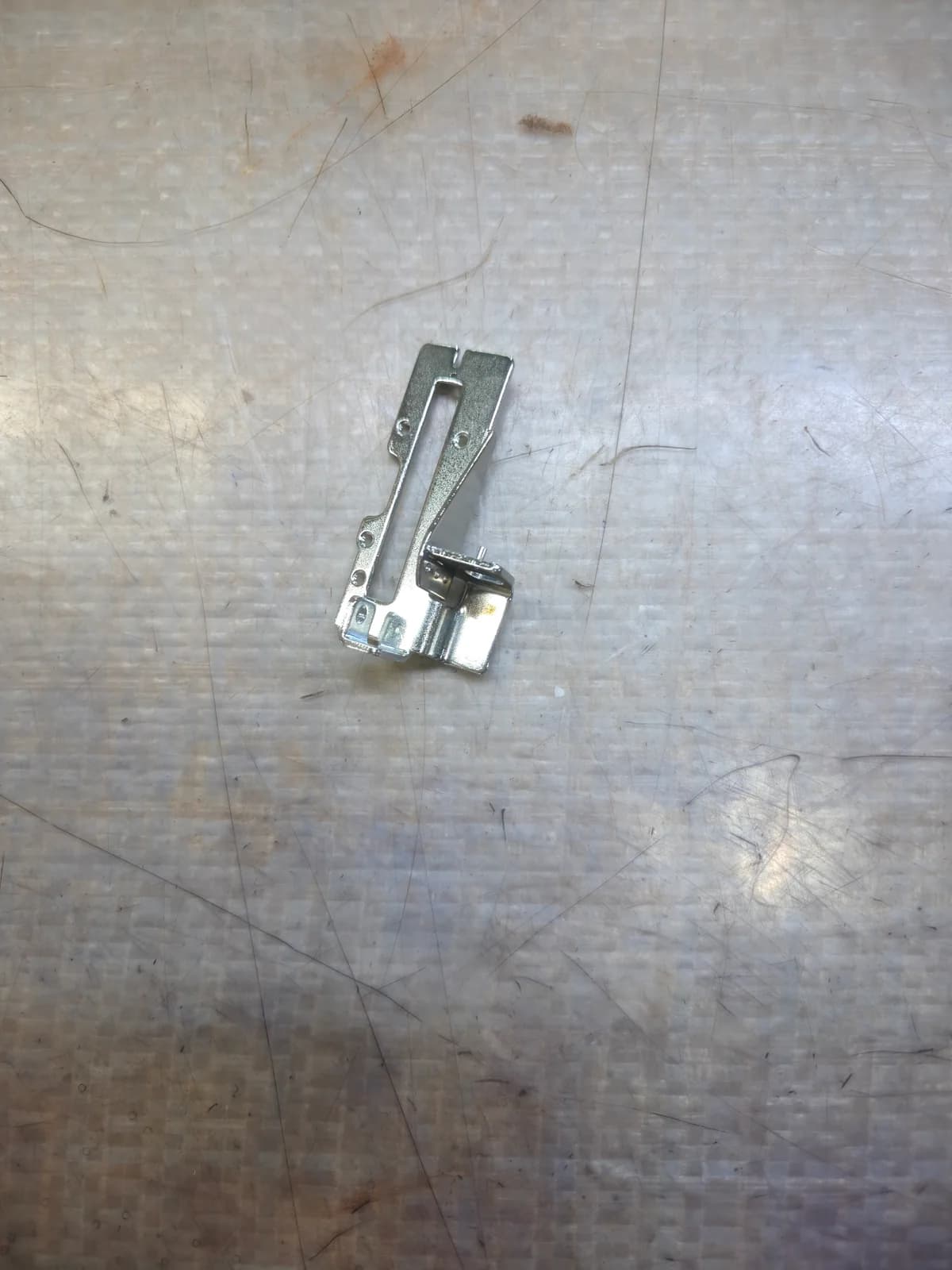
Custom metal stamping can combine cutting and forming operations to produce repeat components from sheet stock. The tooling route depends on the part and demand: a simple operation may suit one design, while another needs several forming stages or dedicated progressive tooling. Supplier review should compare the complete route rather than just the price of the blank.
Parts and Assemblies We Can Help Source
Brackets and mounting parts
Offset brackets, mounting tabs, slotted supports and formed interfaces that locate components in an assembly.
Plates, covers and formed shells
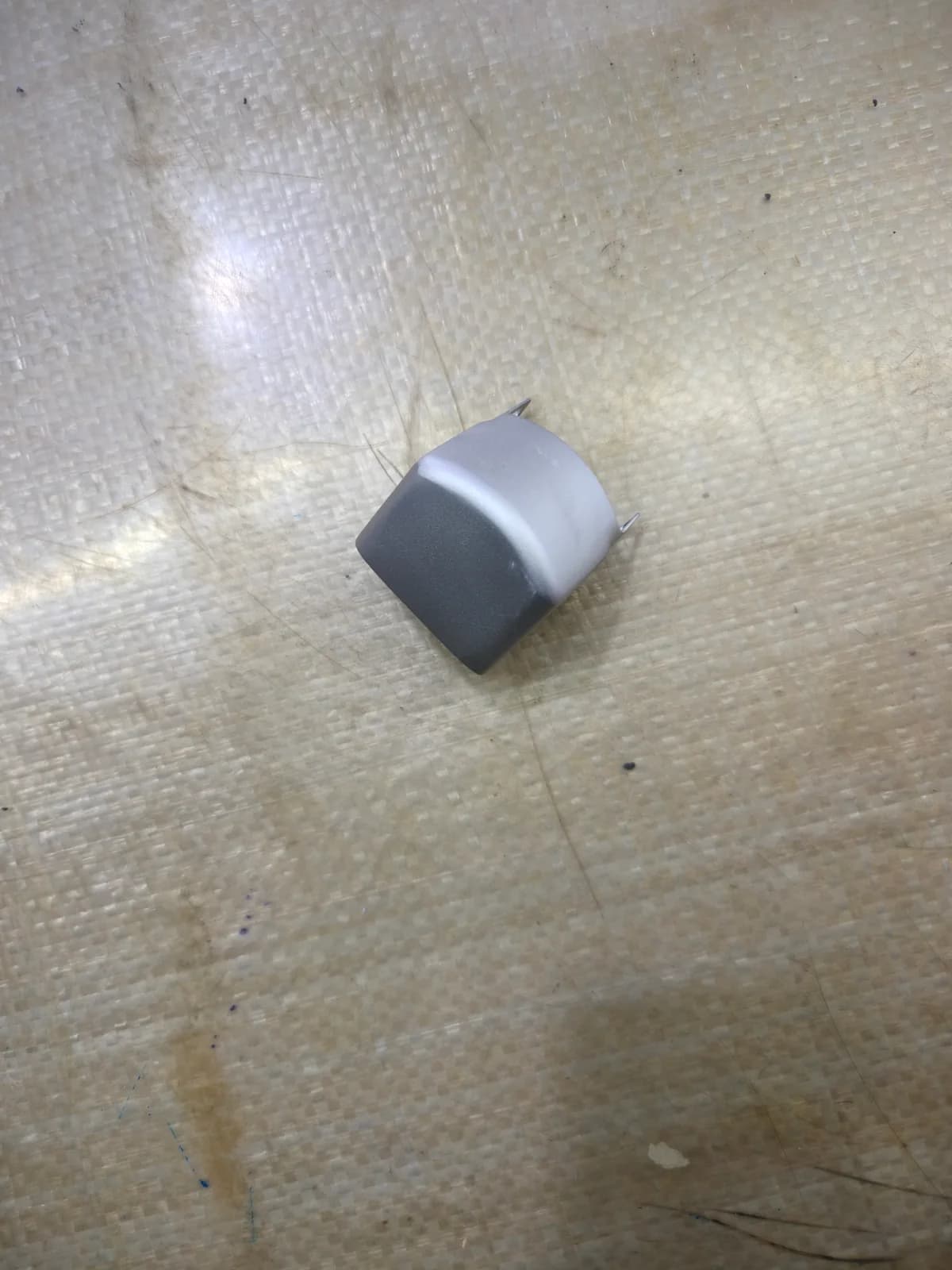
Punched plates, protective covers and curved or bent parts with drawing-defined openings and edge conditions.
Levers and linkage parts
Profiled arms, pivot features and small motion-transfer components with controlled holes and mating interfaces.
Metal subassemblies
Stamped parts combined with sleeves, pins or other components using the joining method specified for the design.
From the Stamped Blank to the Finished Part
A finished-part quotation should say which operations are included and who follows them. The following stages can be evaluated against your drawing; not every component needs every operation.
| Stage | Purpose | Details to agree |
|---|---|---|
| Blanking and piercing | Part outline, holes, slots and cut-outs | Profile, hole position, stock thickness and burr allowance |
| Bending and forming | Flanges, offsets, curved sections and formed features | Bend angle, inside radius, formed height and final geometry |
| Deburring and edge finishing | Edge condition suitable for handling and assembly | Burr limit, permitted edge break and protected working profiles |
| Secondary operations | Joining, machining or heat treatment where required | Process scope, assembly dimensions and treatment acceptance criteria |
| Surface finishing | Specified appearance, corrosion protection or assembly condition | Finish specification, masked areas, oil or cleanliness requirement |
Materials, Heat Treatment and Surface Finish
Common inquiry materials include cold-rolled steel, stainless steel and other drawing-specified sheet metals. Grade, thickness and supply condition should be clear before tooling and pricing are approved. If a supplier proposes an alternative, review it against the design rather than treating a similar appearance as an equivalent material.
For stamped steel parts with heat treatment, state the required result as well as the process: hardness, case depth where relevant, test method and final dimensional limits. Carbonitriding, blackening and rust-preventive oil are separate stages. Their scope and acceptance requirements should appear separately in the purchase specification.
Plating, passivation, painting or other finishes can be evaluated where required. Specify working surfaces, appearance limits, corrosion requirements and any oil or cleaning restrictions. The finished condition must suit the next assembly operation.
Dimensional Checks and Assembly Fit
Precision stamped components should be accepted against the features that matter in use: hole locations, thickness, formed height, bend angle, mating faces and the relationship between them. Burrs and edge breaks also need limits, especially near sliding parts or assembly interfaces.
An indicator and fixture can help check surface variation and relationships between faces. The drawing determines the characteristic, datum setup and acceptance limit. MAVORIX can coordinate an agreed inspection scope and the required supplier records, including sample dimensions and functional fit checks where specified.
Read the factory-visit inspection article for the measurement sequence and a practical stamped-part inspection checklist.
Applications for Custom Stampings
Typical requirements include internal brackets and linkages for industrial sewing equipment, mounting and cover parts for machinery, lock and hardware components, and small equipment subassemblies. Each application needs its own drawing and acceptance requirements; the part name alone does not define fit or performance.
For a related treatment example, see the SPCC stamped door lock gear inspection case. For machined rather than stamped geometry, review our custom CNC machined parts sourcing.
Send the Finished-Part Requirement
- Current 2D drawing, revision and units; a 3D model if available
- Material grade, sheet thickness and any permitted substitution
- Critical dimensions, datums, tolerances and mating-part information
- Burr limits, edge breaks and cosmetic or working surfaces
- Heat treatment, coating, joining and final assembly requirements
- Sample quantity, batch quantity and expected repeat demand
- Inspection scope, reports, material documents and batch identification
- Packing, labeling, destination and requested delivery schedule
MAVORIX Sourcing Support
MAVORIX organizes China-side supplier review, quotation comparison, drawing questions, sample follow-up and agreed checks. For a metal subassembly, we can help clarify which party handles the stamping, bought-in components, joining and final inspection so that the quotation covers the complete item.
Tooling ownership, maintenance, sample approval, treatment responsibility and batch identification should be agreed before repeat production. Our OEM manufacturing support and quality inspection coordination can be scoped around the order.