
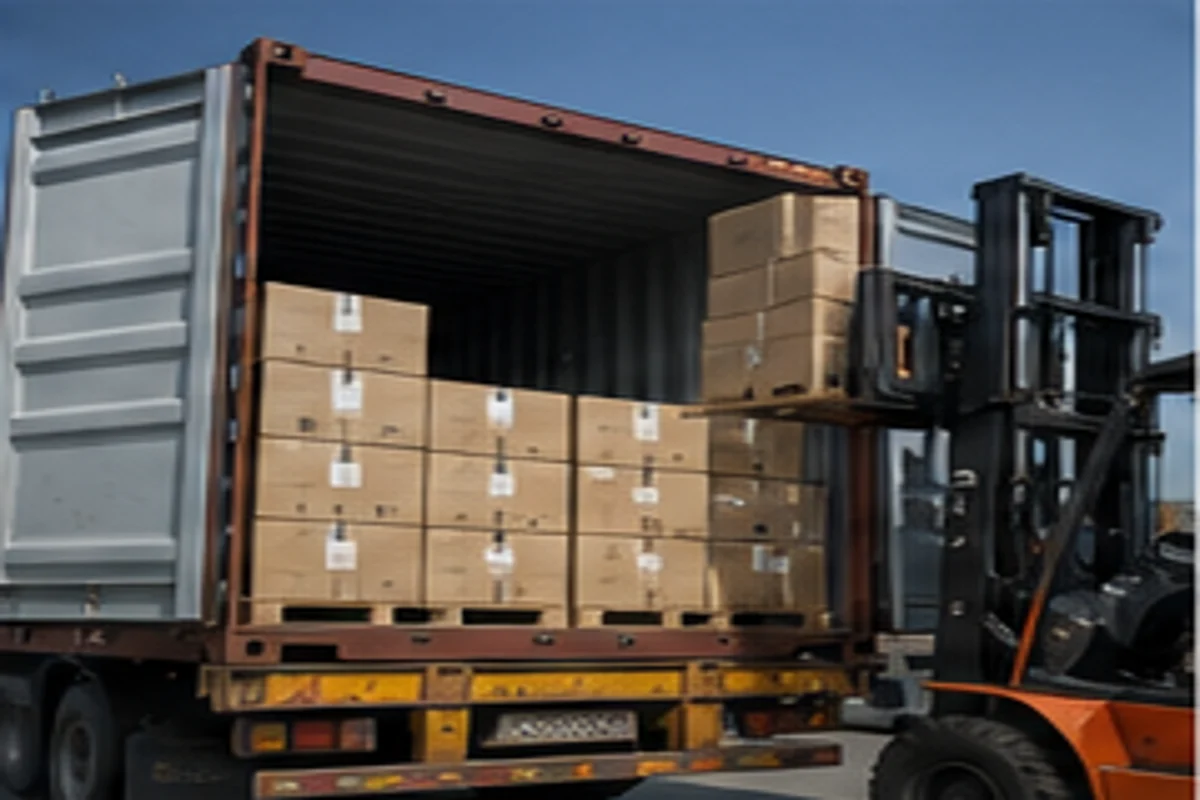
Many overseas industrial buyers do not purchase only one product from one supplier. A factory may need machinery spare parts, MRO supplies, packaging machine accessories, metal components, electrical parts, bearings, valves, sensors, and maintenance items from several Chinese suppliers at the same time.
China shipment consolidation helps buyers combine products from different suppliers into one shipment when it is practical. For industrial buyers, this is especially useful when orders include mixed industrial goods, spare parts, small machines, consumables, and OEM parts that are not enough to fill a full container individually.
This guide explains how multi supplier sourcing from China can be managed more carefully, what buyers should prepare, and what mistakes to avoid.
Why industrial buyers need consolidation
Industrial procurement is often mixed by nature. A maintenance department may need MRO supplies and emergency factory spare parts. A distributor may purchase several product lines from different Chinese suppliers. A manufacturer may need OEM parts, packaging equipment accessories, electrical components, and metal parts.
Without consolidation, each supplier may ship separately. This can increase freight cost, create multiple tracking processes, and make import planning more difficult. It may also cause problems when suppliers use different packing standards, document formats, or delivery schedules.
Container consolidation China support is not only about putting boxes together. It requires supplier coordination, packing review, document checking, shipment timing, and clear responsibility between the buyer, suppliers, warehouse, and forwarder.
Start with a clear product list
The first step is to prepare a clear product list. This should include supplier name, product name, quantity, dimensions, weight, packing method, product value, readiness date, and any special handling requirement. If drawings, photos, model numbers, or supplier links are available, include them.
A clear list helps decide whether the order should be consolidated by carton, pallet, wooden case, LCL shipment, or full container. It also helps identify products that need extra packing, inspection, labeling, or documentation.
For buyers handling mixed industrial goods from China, a spreadsheet is often better than scattered emails. It becomes the working record for supplier follow-up and shipment planning.
Check whether products can be shipped together
Not every product should be consolidated blindly. Some goods may be fragile, heavy, oversized, oily, magnetic, battery-related, or sensitive for export. Some products require wooden packaging, special labeling, or careful loading.
Before shipment, buyers should ask:
- Are the products suitable for the same shipment method?
- Do any items need special packing or documents?
- Are heavy items separated from fragile parts?
- Can suppliers deliver to the consolidation point on time?
- Is the total volume suitable for LCL or FCL?
- Are there products that may delay the entire shipment?
Coordinate suppliers before cargo delivery
Multi supplier sourcing China projects require more communication than single-supplier orders. Each supplier must understand where to deliver, how to label cargo, what documents to provide, and when the goods must be ready.
Supplier communication should cover delivery address, contact person, packing list format, carton marks, product photos, gross weight, net weight, volume, and delivery date. For technical or valuable items, buyers may also need quality inspection support before goods leave the supplier.
For mixed MRO and spare parts orders, small items should be packed and labeled carefully. Otherwise, it can be difficult to identify them after arrival.
Use consolidation to control cost and execution risk
Industrial product consolidation China can help reduce repeated shipment costs, but cost should not be the only reason to consolidate. The bigger value is control. When multiple suppliers are coordinated through one shipment plan, the buyer can track readiness, check documents, review packing, and arrange export communication more efficiently.
For example, a buyer purchasing packaging machine parts, electrical components, factory spare parts, and MRO supplies can ask suppliers to deliver goods to a consolidation point. The cargo can then be checked, counted, photographed, and prepared for export with one shipment plan. This is closely connected with container consolidation support, export coordination, and industrial spare parts sourcing.
Prepare documents early
Documentation is a common source of delay. Each supplier may provide invoices, packing lists, product descriptions, HS code suggestions, or technical information in different formats. Buyers should not wait until all cargo arrives before checking documents.
For consolidated shipments, document preparation should include invoice details, packing list, product descriptions, supplier information, cargo value, quantity, gross weight, volume, marks, and export-related requirements from the forwarder. MAVORIX INDUSTRIAL can support supplier-side export communication from China, while buyers should confirm destination-side import requirements with their local customs broker.
Practical consolidation checklist
- Prepare a product list with supplier names, quantities, dimensions, weight, and readiness dates.
- Confirm whether the goods are suitable for the same shipment.
- Ask suppliers to provide photos, packing details, invoice, and packing list information.
- Set a clear delivery deadline for each supplier.
- Use labels or marks to identify products by supplier and order number.
- Review packing quality before cargo leaves the supplier when possible.
- Check whether fragile, heavy, or high-value items need special handling.
- Compare LCL, full container, or other logistics options with the forwarder.
- Keep one master record for cargo readiness, documents, and shipment status.
Common mistakes in China shipment consolidation
Common mistakes include starting shipment planning too late, mixing goods without checking compatibility, and ignoring supplier delivery timing. Heavy metal parts can damage light packaging supplies, and small spare parts can be lost if they are not labeled. Buyers should also avoid assuming consolidation always saves money. If cargo requires long storage, repacking, extra handling, or repeated supplier follow-up, the total cost may change.
How MAVORIX INDUSTRIAL can support consolidated sourcing
MAVORIX INDUSTRIAL helps overseas buyers coordinate mixed industrial sourcing from China. We can support supplier communication, product list review, quotation comparison, cargo readiness follow-up, quality check coordination, packing review, export document communication, and consolidation planning.
Our sourcing scope includes MRO supplies, OEM parts, factory spare parts, plastic industry equipment and accessories, packaging equipment and parts, metal parts, agricultural equipment parts, and electrical and mechanical components. When a buyer needs products from several suppliers, we help create a more controlled sourcing and shipment path.
Send your product list, supplier links, drawings, photos, or inquiry details to MAVORIX INDUSTRIAL. We can help review the sourcing path and coordinate the next steps from China.
You can learn more about China industrial sourcing, MRO sourcing from China, container consolidation, export support, or contact us.